Car Maintenance Myths, Oil Change Truths, and Helpful Auto Advice
Watch Now
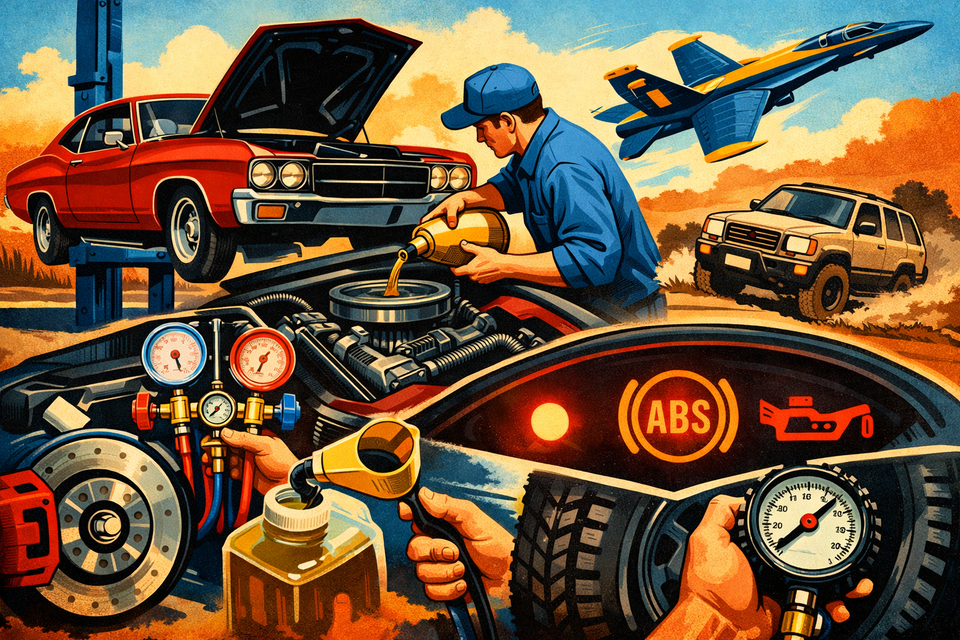
From oil change confusion to warning lights that won’t go away, this episode of the C&C Auto Show tackles the everyday questions drivers actually face. The conversation breaks down the real difference between synthetic and blended oil, why oil change intervals matter more than marketing claims, and how small maintenance habits can make or break your engine over time.
You’ll also hear practical advice on brake systems, tire pressure, AC performance, and even what those dashboard warning lights really mean. With real caller scenarios and hands-on experience, this episode delivers straightforward guidance to help you avoid costly mistakes and keep your vehicle running longer.
Listen in and get the kind of honest, experience-based automotive advice that helps you make smarter decisions about your car.
From oil change confusion to warning lights that won’t go away, this episode of the C&C Auto Show tackles the everyday questions drivers actually face. The conversation breaks down the real difference between synthetic and blended oil, why oil change intervals matter more than marketing claims, and how small maintenance habits can make or break your engine over time.
You’ll also hear practical advice on brake systems, tire pressure, AC performance, and even what those dashboard warning lights really mean. With real caller scenarios and hands-on experience, this episode delivers straightforward guidance to help you avoid costly mistakes and keep your vehicle running longer.
Listen in and get the kind of honest, experience-based automotive advice that helps you make smarter decisions about your car.