
Skip to content

#2000 - Total Loss, Flood Cars & Insurance Valuation Battles

Kwp image feb 25  2026  02 47 44 pm

Total Loss, Flood Cars, and the Little Things That Save Big Money

Watch Now

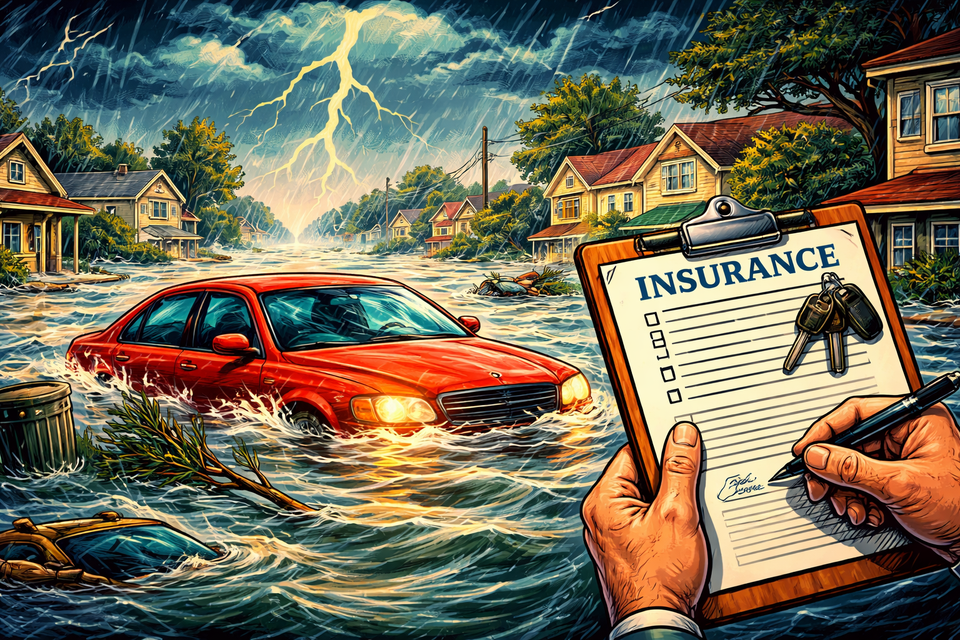
Storms, flooded roads, and everyday accidents can turn a perfectly good vehicle into a total loss in a hurry—and the paperwork and decisions that follow can feel overwhelming. In this episode, the C&C Auto Show crew breaks down what happens next, what your rights are when an insurance company values your car, and why documentation like service history can make a real difference.

They also dig into a growing problem: flood vehicles showing up on the used market and at auctions, looking clean but hiding expensive surprises. Plus, you’ll hear practical advice on avoiding hydrolocked engines, the risks of bargain used engines, when OEM parts are worth it, and simple habits—like taking warning lights and odd noises seriously—that can keep you from getting stranded.

Listen or watch the full episode below for the stories, real-world examples, and consumer tips you can use right away.

Questions and Answers

Quick takeaways on flood damage, total-loss claims, parts choices, and simple habits that keep you from getting stranded.

How do floodwaters total a car so quickly?

Modern vehicles have low-mounted electronics and modules that don’t tolerate water. Even if it dries out, corrosion can create months of weird electrical issues. Once water reaches key wiring, computers, or the interior, the repair cost often exceeds the car’s value.

What should I do first if my car is flooded or otherwise totaled?

Contact your insurance company and start a claim as soon as it’s safe. If you only have liability coverage, you may be stuck covering the loss yourself. Document everything with photos and keep records of towing, storage, and any conversations.

Can I dispute the insurance company’s total-loss value?

Yes—you don’t have to accept the first number. Insurers often use valuation tools and “comps” that can undervalue your vehicle. Your policy may allow an appraisal clause so you can challenge the value and negotiate a fairer settlement.

How can maintenance records and Carfax help in a total-loss payout?

Service history can show your vehicle was cared for—tires, oil changes, major services, and consistent maintenance. That kind of documentation can support a higher value when you’re negotiating with the adjuster. If your shop reports service to Carfax, that record can be easy to share.

Why are flood vehicles showing up on the used market and auctions?

After major storms, a wave of flood cars can enter the pipeline—some repaired, some cleaned up, and some flipped fast. A flood car can look great on the outside while hiding electrical and corrosion problems. That’s why pre-purchase inspections matter more than ever.

Why is driving through a deep puddle so risky for the engine?

Engines are designed to compress air, not water. If water gets sucked in through the intake, it can hydrolock the engine and cause immediate internal damage. Even a few inches higher water level than you expect can turn a running engine into a major repair.

Why can a “cheap used engine” end up costing more in the long run?

If the engine source isn’t reputable, you can end up with a flood-damaged or otherwise bad engine. The shop may discover problems after parts are swapped over, wasting time and labor. In the worst case, you pay for multiple installs because you supplied the engine.

When should I insist on OEM parts instead of aftermarket parts?

Fitment and reliability matter, especially on safety-related repairs and components that commonly leak or don’t fit right. The show called out A/C condensers as a spot where OEM can save headaches. On heavy trucks, aftermarket panels can require extra trimming and labor that wipes out the savings.

What is the “cross-check method,” and why does it prevent comebacks?

It’s a final walk-through that catches the small stuff before a vehicle leaves—like caps left off, tools left under the hood, or fasteners not fully tightened. Small misses can become big comebacks or even safety issues. A consistent cross-check saves time, money, and customer trust.

What’s the smartest path for a high-mileage driver: hybrid, EV, or gas?

For rideshare and high-mileage drivers, the show leaned toward hybrids for strong MPG and typically lower battery replacement costs than full EVs. EVs can work, but resale and battery concerns matter if you plan to rack up miles beyond the warranty window. Don’t rule out efficient gas vehicles either—pick what fits your routes, charging access, and budget.

Podcast Available On: