Recalls, EV Charging & Modern Repair Standards
Watch Now
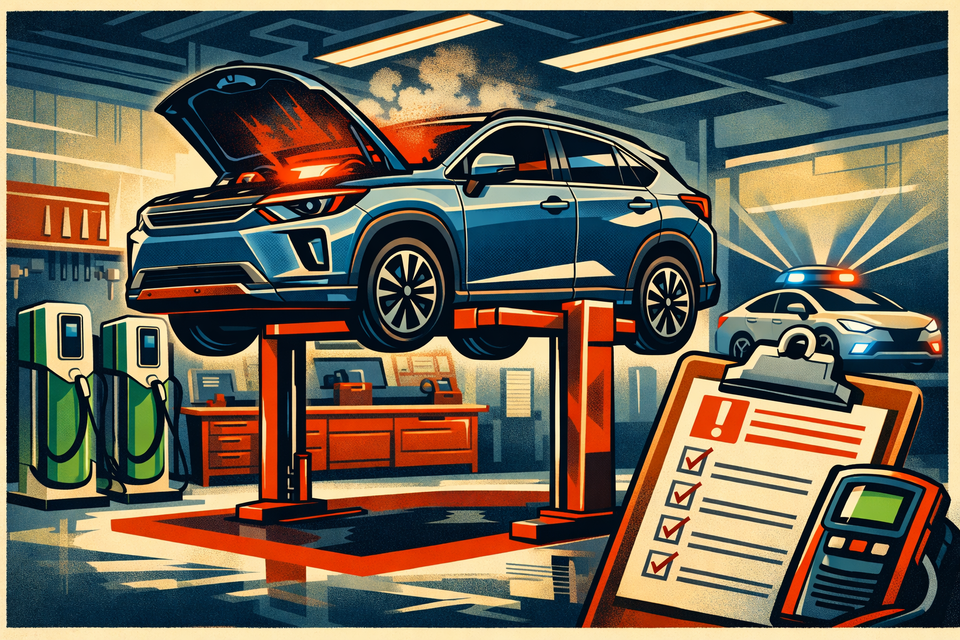
From a serious BMW fire-risk recall to a driverless Waymo vehicle getting pulled over in California, this episode covers the real automotive stories that matter to today’s drivers. The crew breaks down recall responsibility, EV growth versus charging infrastructure, and what happens when dealerships, insurance companies, and repair standards collide.
You’ll also hear practical, money-saving advice—like whether wrapping faded black trim is better than repainting, how to properly document an intermittent noise before heading to the shop, and why certain Hyundai and Kia engines demand stricter oil-change discipline. If you care about safety, reliability, and making informed repair decisions, this episode delivers. Be sure to listen to the full conversation in the embedded show.
From a serious BMW fire-risk recall to a driverless Waymo vehicle getting pulled over in California, this episode covers the real automotive stories that matter to today’s drivers. The crew breaks down recall responsibility, EV growth versus charging infrastructure, and what happens when dealerships, insurance companies, and repair standards collide.
You’ll also hear practical, money-saving advice—like whether wrapping faded black trim is better than repainting, how to properly document an intermittent noise before heading to the shop, and why certain Hyundai and Kia engines demand stricter oil-change discipline. If you care about safety, reliability, and making informed repair decisions, this episode delivers. Be sure to listen to the full conversation in the embedded show.