Skip to content

#2013 - Training the Next Generation of Automotive Techs

Kwp image feb 23  2026  01 30 27 pm

Automotive Technician Training, ADAS Technology & Smart Vehicle Repair Decisions

Watch Now

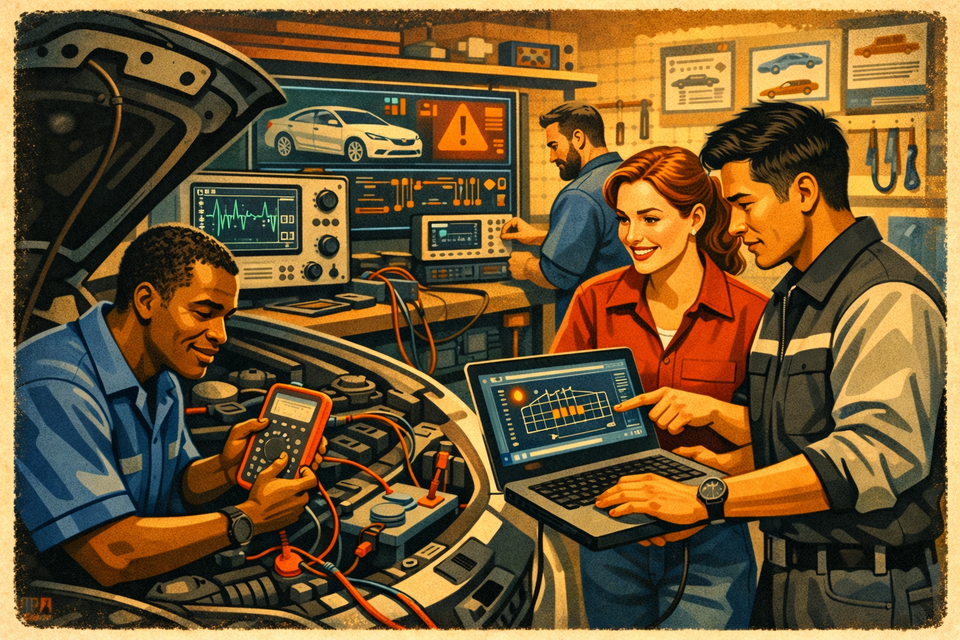
From career pathways to cutting-edge vehicle technology, this episode of the C&C Auto Show highlights the future of the automotive industry. Broadcasting live from the Lexington Technology Center, the team discusses the growing demand for qualified technicians, the importance of hands-on electrical training, and how today’s vehicles require advanced diagnostic and ADAS calibration skills.

The conversation also dives into why more drivers are choosing engine and transmission replacement over buying new vehicles, how remanufactured components can improve durability, and why proper documentation and calibration matter more than ever in modern repairs. Whether you’re a student considering automotive technology, a shop owner navigating industry changes, or a driver trying to make smart repair decisions, this episode connects education, innovation, and real-world automotive solutions.

Listen or watch the full episode to hear insights from industry leaders, educators, and rising technicians shaping the future of automotive service.

Questions and Answers

Clear answers based on this episode’s discussion about technician training, ADAS systems, engine replacement decisions, and modern repair documentation.

Why is there such a strong demand for automotive technicians right now?

Vehicles are more complex than ever, especially with electronics and ADAS safety systems. Shops need technicians who understand diagnostics, calibration, and electrical systems—not just mechanical repairs. The shortage of qualified techs makes formal training and hands-on experience more valuable than ever.

How do career technology centers help students enter the automotive field?

Career tech programs give students hands-on training while they’re still in high school. Many programs partner with local shops, dealerships, and technical colleges to provide certifications, internships, and apprenticeship opportunities. That foundation helps graduates move directly into the workforce or continue advanced training.

Why is electrical training so important for modern technicians?

Nearly every vehicle system today relies on electronics, sensors, and control modules. Steering, braking, climate control, and safety systems all require electrical diagnostics. A strong understanding of circuits, voltage testing, and scan data is essential for accurate repairs.

What is ADAS calibration and why does it matter?

ADAS (Advanced Driver Assistance Systems) include features like lane-keep assist and collision avoidance. After certain repairs or collisions, these systems must be properly scanned and calibrated to ensure safe operation. Proper documentation of calibrations is critical for both safety and liability protection.

Why are more drivers choosing engine or transmission replacement instead of buying a new vehicle?

New vehicle prices have increased significantly, and many drivers still owe money on their current cars. Replacing a failed engine or transmission can be a more cost-effective long-term investment. In many cases, repowering a well-maintained vehicle makes financial sense.

Are remanufactured engines and transmissions reliable?

Quality remanufactured components often address known weak points in original designs. Reputable manufacturers inspect, update, and test components before release. When installed correctly, they can provide dependable long-term service.

How does documentation protect repair shops and customers?

Modern vehicles generate data and require precise procedures. Detailed documentation confirms that inspections, calibrations, and repairs were performed properly. In today’s legal environment, accurate records help protect both the shop and the vehicle owner.

How is AI changing automotive repair?

AI tools can assist service advisors with customer intake questions and help technicians reference procedures more efficiently. While it doesn’t replace skilled technicians, it enhances communication and speeds up access to technical information.

What skills beyond wrenching are important for today’s technicians?

Communication, digital documentation, and comfort with computer-based systems are just as important as mechanical skills. Technicians work closely with service advisors and customers, often through digital inspection platforms. Clear reporting and professionalism are essential.

Podcast Available On: