Questions and Answers
Quick, consumer-friendly answers pulled directly from this episode’s topics—insurance, repairs, buying used, and today’s vehicle tech.
What does collision repair “consolidation” mean for everyday drivers?
It means bigger groups are buying up local shops, which can reduce competition in a market. With fewer independent options, consumers may notice changes in service experience, repair processes, or how quickly a shop can make decisions. The key is knowing your choices and picking a shop that will advocate for you.
Is consolidation always bad for repair quality?
Not necessarily—some large companies can run strong operations. But the concern is when profit pressure or rigid policies start affecting customer service, repair decisions, or employee morale. A shop’s culture and willingness to do the repair correctly still matters more than the logo on the building.
What is a DRP (Direct Repair Program) and do I have to use it?
A DRP is an “in-network” relationship between a body shop and an insurance company. It can make the process smoother, but you are not required to use a DRP shop. You can take your vehicle to the shop you trust—your choice still matters.
Are non-DRP shops a bad idea?
No—being out of network can simply mean more back-and-forth paperwork, not lower quality. In some cases, independent shops outside those programs may be more focused on doing the repair the way the vehicle needs to be repaired. The big goal is a safe, correct repair and a shop that communicates well.
Why do scans and calibrations matter after a collision repair?
Today’s safety systems are more complex, and many features rely on proper scanning and calibration to work correctly. After a collision, you want to know that the vehicle’s safety tech is functioning the way it’s intended to. Asking the right questions at the shop can protect you long after the repair is finished.
Can a plug-in insurance tracking device drain a battery?
Yes—this episode discussed a case where a dongle plugged in under the dash was pulling power and contributing to repeated battery issues. If you’re chasing an intermittent battery drain, unplug accessories and add-ons first to help isolate the cause. Sometimes the simplest “what’s plugged in?” check saves a lot of diagnostic time.
What’s the smartest way to store a vehicle or seasonal equipment so the battery doesn’t die?
Use a battery maintainer, especially for boats, jet skis, or vehicles that sit for long stretches. A dead battery that sits can become permanently damaged, especially traditional flooded batteries. Proper storage and maintenance can dramatically extend battery life.
Are AGM batteries worth it compared to flooded batteries?
AGM batteries can be more durable for certain applications and can handle storage better than many flooded batteries when maintained correctly. This episode even discussed an AGM battery that lasted far longer than expected in a lightly driven classic vehicle. They cost more, but for some drivers they can be a strong long-term value.
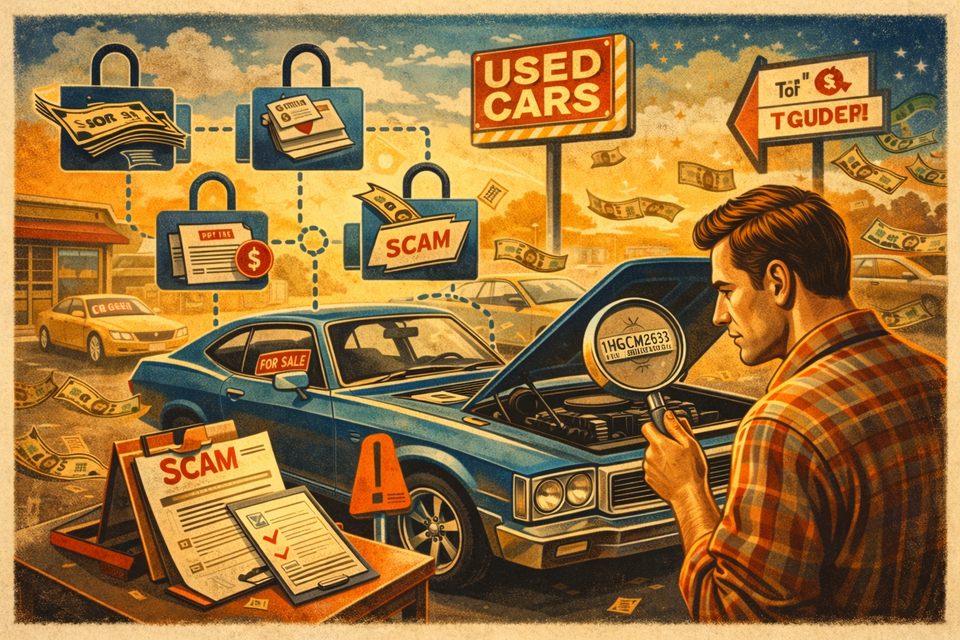
How can I avoid online car scams and title problems when buying a used vehicle?
Don’t fall for “too good to be true” pricing and never send money without verifying the vehicle and the paperwork. Use reputable sellers, do your research, and get a pre-purchase inspection when possible. A clean-looking listing doesn’t guarantee a clean title or a properly repaired vehicle.
Does Carfax always show the full repair history of a vehicle?
No—Carfax only reflects what gets reported, and the episode highlighted how damage can be understated in some cases. That’s why a pre-purchase inspection and a careful look at the vehicle matter so much. Another set of trained eyes can spot what a report may not show.