Skip to content

#2021 - Avoid Scams. Verify Before You Buy. Repair the Right Way.

Kwp image feb 25  2026  01 08 37 pm

Buying Smart, Repairing Right, and Staying Safe in Today’s High-Tech Cars

Watch Now

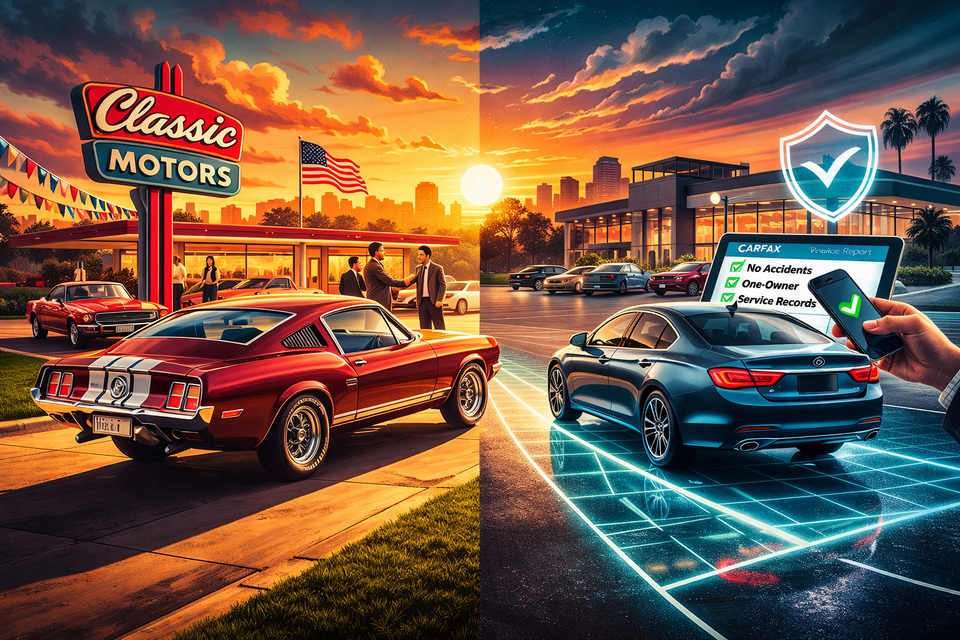
With the new year comes dream-car shopping—Boss 302 Mustangs, classic Broncos, and everything in between. In this episode, Aaron, Amanda, Don, and David dig into the real-world scams that pop up this time of year (including fake escrow and “too good to be true” listings) and the smartest ways to protect yourself—like using VIN details, trusted experts, and even car-club contacts to inspect a vehicle before money changes hands.

They also get into how modern vehicles are changing repair and safety: certified collision shops, restricted parts, why pre- and post-scans matter, and how calibrations and “relearns” can make or break a safe repair. Plus: the door-handle safety debate, rising insurance deductibles, and why cars (and even shop diagnostic computers) may need serious cybersecurity protection.

Listen to or watch the full episode below for the stories, the laughs, and the practical takeaways you can use right now.

Questions and Answers

Quick takeaways from this episode—classic-car buying tips, safer repairs, and today’s vehicle tech realities.

How can I avoid getting scammed when buying a classic car online?

Treat any “too good to be true” deal as a red flag. Get the VIN, verify the seller, and never send money without someone you trust laying eyes on the vehicle. A paid pre-purchase inspection or a local car-club contact can save you thousands.

Is using an “escrow account” always safe for an out-of-state car purchase?

No. Scammers often invent fake escrow companies and stop responding after they get your money. If you can’t independently verify the escrow provider, don’t send funds. A legitimate transaction should be easy to confirm and document.

What should I ask for first when shopping for a collector car?

Start with the VIN and any documentation that matches the car’s story. The VIN helps confirm year, model, and what the vehicle should have been originally. For high-dollar classics, bring in an expert who knows that specific model.

Why can decals and small add-ons change a classic car’s value so much?

On rare models, one emblem, option, or trim package can mean a huge price jump. That’s why replicas and “clones” can fool buyers who are shopping with nostalgia. If you’re investing real money, get a knowledgeable person to inspect it.

What is a Mustang Marty Report, and why does it matter?

A Marty Report details how a Mustang was originally built—where and when it was produced, factory options, colors, and equipment. It’s a powerful way to confirm authenticity and protect your purchase. It can help you avoid paying premium money for the wrong car.

What does it mean for a shop to be a certified collision repair shop?

Certification usually means the shop has specific tools, equipment, and training required by certain manufacturers. Some automakers also restrict structural parts sales to certified shops for safety reasons. It’s a good sign, but it still depends on the technician and the repair process.

What are pre-scan and post-scan reports in collision repair?

A pre-scan captures a snapshot of vehicle systems before repairs begin, and a post-scan verifies systems after repairs are complete. These scans help catch faults, document what changed, and support needed calibrations. You can ask the shop for the scan documentation, similar to an alignment printout.

Why are ADAS calibrations and module “relearns” such a big deal now?

Modern vehicles may need calibrations after repairs, battery disconnects, or component replacement—even if the part seems unrelated. Skipping manufacturer-required steps can leave safety systems unreliable. The goal is getting the car back to the driver in a safe, verified condition.

Are flush or pop-out electronic door handles a safety problem?

They can be, especially if power is lost after a crash and rescuers can’t access the handle. Some vehicles have manual releases, but drivers may not know where they are. The discussion is pushing safety ahead of styling when emergency access is at stake.

Do cars and repair shops need “antivirus” or cybersecurity protection?

Cars are rolling computers, and personal data stored in vehicles can be exposed after a total loss or salvage situation. Shops also rely on diagnostic laptops and OEM software that can be damaged by malware. Strong network security—and in some cases cyber insurance—can help reduce the risk.

Podcast Available On: