Skip to content

Cars That Reach 200,000 Miles (and What Gets Overlooked)

Kwp image feb 6  2026  03 04

High-Mileage Cars, Timing Belts, and What’s Really Happening on Dealer Lots

Watch Now

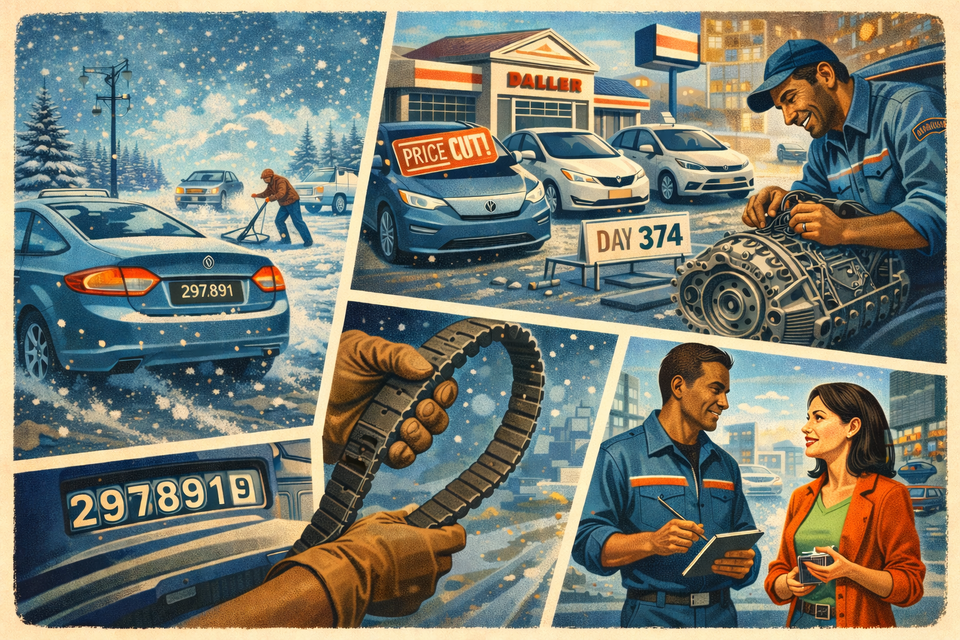
In this episode, Aaron and Jamie kick off a High Miler Club challenge, talk winter storm safety for drivers listening live, and lay down a tech tip quiz that turns out to be a big one: the maintenance item people forget after their first 100,000 miles. They also dive into why some vehicles sit on dealer lots for months, what dealers do when inventory won’t move, and how that can become bargaining power if you’re shopping.

You’ll also hear real listener calls on transmission concerns (Ford Maverick and Ranger), where to look up recalls and bulletins using your VIN, and what to watch for with extended warranties so you don’t get surprised later. Listen or watch the embedded episode to catch the calls, the quiz, and the practical takeaways.

Questions and Answers

Quick answers on high-mileage maintenance, timing belts, slow-selling vehicles, and the listener calls covered in this episode.

What maintenance item gets overlooked most once a car hits 200,000 miles?

The show’s tech tip quiz answer was the timing belt (especially the “second” timing belt interval). Many people remember to replace it the first time, then forget it later as the miles stack up. If it breaks on an interference engine, it can turn a good-running vehicle into a major engine repair instantly.

What’s the difference between a timing belt and a timing chain for maintenance?

A timing belt has a scheduled replacement by mileage and also by time, because it’s a wear item. A timing chain usually doesn’t have a set interval, but noises like rattling or ticking can be warning signs you shouldn’t ignore. Either way, the episode stresses handling it early before it becomes catastrophic.

Why does oil leakage matter around a timing belt area?

The episode points out that timing belts are rubber-based and contamination can shorten their life. If oil gets into the belt area, it can break down materials and reduce durability. If you’ve got leaks up front, don’t just ignore them—fix the leak and make sure the belt is still safe.

What’s a realistic “secret” to getting a car past 300,000 miles?

One caller with a high-mileage Mustang credited consistent oil changes and staying on top of basic fluids. The show also hints at something else that helps: noticing small issues early so they don’t turn into big repairs later. Long-term ownership is usually a bunch of smart, boring decisions done consistently.

What should drivers do before an ice storm hits?

The show’s quick checklist was simple: get fuel and groceries early, avoid driving if you can, and make sure you have a safe way to stay warm. If you do have to drive, let ABS do its job under hard braking and don’t panic when you feel the pedal pulsing. And don’t run engines or generators in enclosed spaces—carbon monoxide is a serious risk.

Why do some vehicles sit on dealer lots for hundreds of days?

In the episode, Aaron and Jamie discuss how price, demand, and operating costs all play into it. Dealers are paying to keep inventory sitting—floorplan costs, insurance, and the value of the lot space. That’s why slow movers may get discounted, traded to other dealers, moved into loaner fleets, or sent to auction.

Can dealers really crush brand-new cars that don’t sell?

The show describes crushing as a “last resort” idea to avoid damaging the brand by dumping new cars at rock-bottom prices. The core point is that manufacturers and dealers protect pricing and brand perception. Whether it’s common or not, the lesson for shoppers is the same: aging inventory creates pressure to move the vehicle.

How can slow-selling inventory help you negotiate a better deal?

If a vehicle has been sitting a long time, that can be leverage—because it’s costing the dealer money every day it stays there. The show recommends using that information when negotiating, especially if you don’t mind owning a vehicle that may depreciate faster. You’re basically turning the dealer’s problem into your bargaining power.

What should you do if your Ford Maverick over-revs before shifting when it’s cold?

The advice was to document when it happens, how often, and under what conditions—because dealers sometimes can’t replicate the issue on demand. If it’s under warranty or extended coverage, keep every repair order and note every visit. The show also suggests trying a different dealership if the first one can’t find it.

How do you check your VIN for recalls and bulletins, and what’s the difference between a recall and a TSB?

The episode recommends using the NHTSA website VIN lookup (and having your VIN ready) to see what applies to your vehicle. A recall is typically handled at no cost, while a TSB is more of a “known issue / recommended fix” and can still cost you money. You can also call the dealership and ask them to run your VIN for active campaigns and updates.

::contentReference[oaicite:0]{index=0}

Podcast Available On: