The Future of Cars, Consumer Rights, and Smart Maintenance Tips
Watch Now
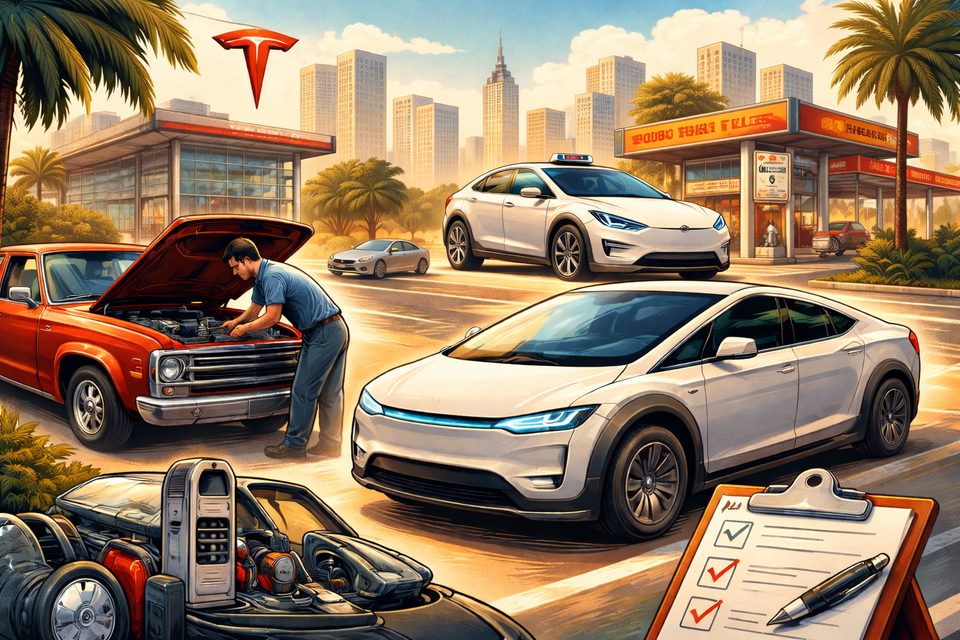
From self-driving taxis to surprising ownership restrictions, this episode of the C&C Auto Show dives into the real-world impact of today’s biggest automotive trends. The crew explores whether autonomous vehicles are truly ready to replace human drivers, and why many drivers still value the human experience behind the wheel—especially when things go wrong.
The conversation also tackles controversial moves in the industry, including resale restrictions on certain vehicles, and what that could mean for everyday car buyers. Add in practical advice on maintaining high-mileage vehicles, understanding recalls, and avoiding costly repair mistakes, and this episode delivers both insight and entertainment in equal measure.
Whether you're curious about the future of driving or just trying to keep your current vehicle running strong, there’s something here for every driver.
Listen in to hear the full discussion, real stories, and expert advice from the shop floor to the showroom.
From self-driving taxis to surprising ownership restrictions, this episode of the C&C Auto Show dives into the real-world impact of today’s biggest automotive trends. The crew explores whether autonomous vehicles are truly ready to replace human drivers, and why many drivers still value the human experience behind the wheel—especially when things go wrong.
The conversation also tackles controversial moves in the industry, including resale restrictions on certain vehicles, and what that could mean for everyday car buyers. Add in practical advice on maintaining high-mileage vehicles, understanding recalls, and avoiding costly repair mistakes, and this episode delivers both insight and entertainment in equal measure.
Whether you're curious about the future of driving or just trying to keep your current vehicle running strong, there’s something here for every driver.
Listen in to hear the full discussion, real stories, and expert advice from the shop floor to the showroom.