Car Repair Facts: What Shops Wish Every Driver Knew
Watch Now
From a live car show packed with Mustangs, classics, and even a custom-built DeLorean, this episode of the C&C Auto Show dives into the real-world decisions drivers face every day—repair costs, parts quality, and how to avoid getting burned when your car needs work.
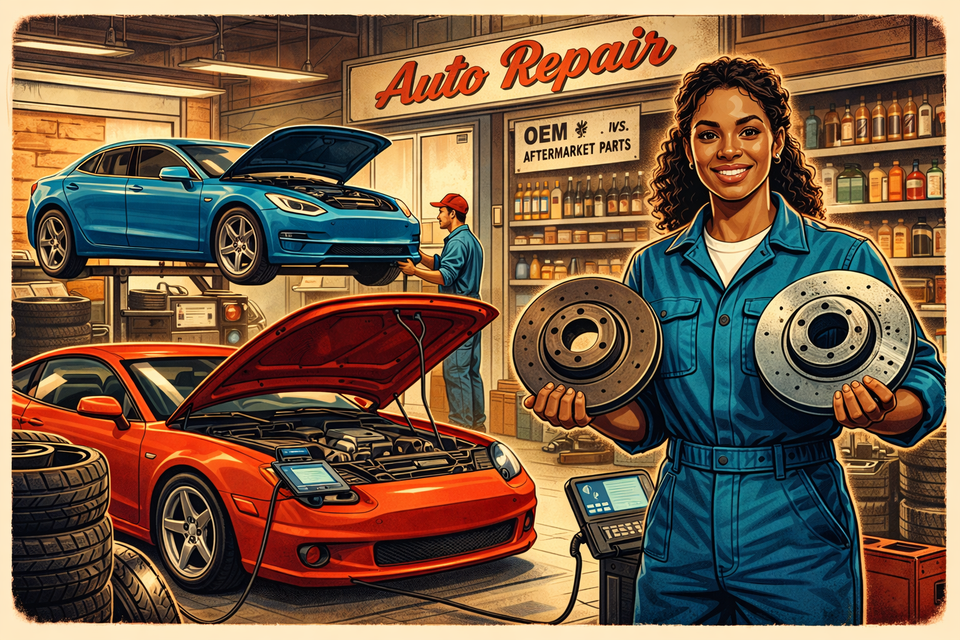
Whether you're dealing with a check engine light, shopping for repairs, or trying to understand what you're actually paying for, the conversation breaks down the hidden factors that impact your wallet and your vehicle’s reliability. From EVAP system issues and diagnostic challenges to the truth about phone estimates and low-cost parts, this episode pulls back the curtain on how the auto repair world really works.
You’ll also hear insider perspectives on collision repair, including why accurate estimates require hands-on inspections, how modern vehicles (especially Teslas) are repaired, and why cutting corners on parts or diagnostics can cost you more in the long run.
If you’ve ever wondered whether you’re making the right call with your car—or just want to avoid expensive mistakes—this episode is packed with practical, experience-driven insight.
Listen or watch the full episode below to get the complete breakdown.
From a live car show packed with Mustangs, classics, and even a custom-built DeLorean, this episode of the C&C Auto Show dives into the real-world decisions drivers face every day—repair costs, parts quality, and how to avoid getting burned when your car needs work.
Whether you're dealing with a check engine light, shopping for repairs, or trying to understand what you're actually paying for, the conversation breaks down the hidden factors that impact your wallet and your vehicle’s reliability. From EVAP system issues and diagnostic challenges to the truth about phone estimates and low-cost parts, this episode pulls back the curtain on how the auto repair world really works.
You’ll also hear insider perspectives on collision repair, including why accurate estimates require hands-on inspections, how modern vehicles (especially Teslas) are repaired, and why cutting corners on parts or diagnostics can cost you more in the long run.
If you’ve ever wondered whether you’re making the right call with your car—or just want to avoid expensive mistakes—this episode is packed with practical, experience-driven insight.
Listen or watch the full episode below to get the complete breakdown.