Skip to content

#1997 - Fuel Pumps, Black Boxes & Big Repair Questions

Kaboompics signs gdb2798dfa 1920

Real Calls, Real Fixes: Fuel, Batteries, Tech, and Today’s Car Realities

Watch Now

From a hard-starting ’94 Caprice Classic with fuel pressure that won’t hold, to a Toyota Tundra battery hold-down getting eaten up by corrosion, this episode is packed with practical, driveway-to-shop advice. The crew also talks through modern vehicle complexity: how today’s systems, sensors, and computers change the way cars are diagnosed and repaired.

You’ll also hear hot-topic shop talk on payment “interrupter” devices that can disable a car, what the vehicle “black box” (EDR) can record after a crash, why AI/photo-based insurance estimates can miss critical repair steps, and why a real pre-purchase inspection matters more than ever. Listen or watch the embedded episode for the full conversation, call-in stories, and tips you can actually use.

Questions and Answers

Quick, real-world answers pulled from this episode’s calls and shop talk.

How can I tell if it’s the fuel pump or the fuel pressure regulator on an older Caprice?

A quick check is to remove the vacuum line from the fuel pressure regulator and see if pressure changes—also check that line for any sign or smell of fuel. You can also pinch/block the return line briefly; if pressure builds, that points more toward the regulator/return side than a weak pump.

Why does my car crank hard unless I cycle the key a few times first?

If the system won’t hold pressure after key-off, fuel can bleed down and you’ll need multiple key cycles to prime it. Common causes include a weak fuel pump, a leaking regulator, or a leaking check valve in the pump module. A pressure test that rises and drops quickly is a big clue.

What’s the best way to confirm a fuel pump is actually failing?

Verify you have power and ground at the pump during prime (typically only for a short window when the key is turned on). If voltage and ground are good but the pump can’t build or maintain the needed pressure, the pump is the likely culprit. Low pressure plus no-run symptoms usually point that direction.

How do I stop battery corrosion from eating up my battery hold-down and tray?

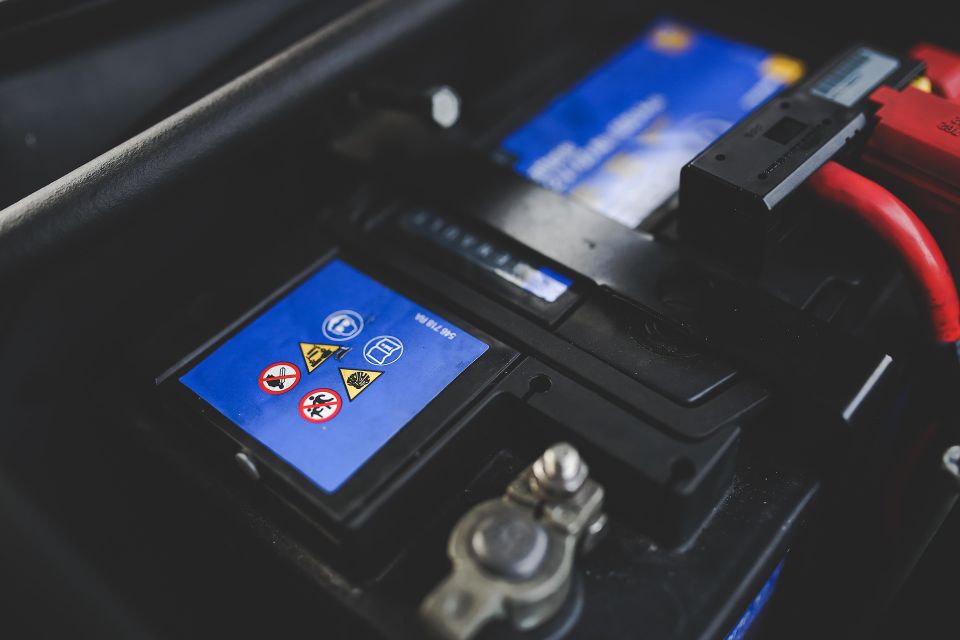
Clean and neutralize the acid residue with a proper battery cleaner, rinse it off, and then apply a battery protectant spray to the hold-down, bracket, and tray. If corrosion keeps coming back, consider switching to an AGM battery, which is less prone to venting acid vapor. Staying on top of cleaning helps keep the tray from getting damaged over time.

My Honda Odyssey had a 2–3 shift flutter—do I really need a transmission replacement?

Not always. In the episode, a full fluid exchange (not just a drain-and-fill) plus the proper relearn made the transmission shift smoothly again and avoided an expensive replacement quote. If your symptoms and mileage fit, have a qualified shop evaluate the fluid condition and service options first.

What are “starter interrupters” on buy-here-pay-here cars, and why do shops hate surprises?

Some lenders install devices that can prevent a vehicle from starting when payments are overdue. In a repair shop, that can look like a sudden no-start and trigger towing and diagnostic charges—until someone discovers the interrupter. The show emphasized the importance of clear disclosure in the contract so drivers know what they’re dealing with.

Is it safe or fair to remotely shut a car off for a late payment?

It’s a mixed bag: lenders want to protect their asset, but cutting a car off can create real-world risks and hardship. The discussion highlighted the need for clear notice, reasonable grace periods, and transparency so people aren’t blindsided. It can also create safety concerns if someone needs urgent transportation.

What is the car “black box” (EDR), and who should have access to that data?

An Event Data Recorder can store key details from seconds before a crash, like speed, braking, and other inputs around airbag deployment. The show raised questions about whether that information belongs to the vehicle owner, insurers, law enforcement, or attorneys—and how access may depend on consent or legal process. Dash cams add another layer, since video can help clarify fault.

Why are insurance photo/AI estimates often short on modern collision repairs?

They commonly miss required scans, calibrations, and sensor-related procedures that don’t show up in a photo. The episode gave examples where blind-spot, parking sensors, and ADAS features required specific steps after repairs—costs that matter for safety and proper function. A shop that follows manufacturer procedures can help advocate for a complete repair plan.

What should I do the first time a check engine light comes on—especially on a high-mileage car?

Start with a quick visual check and verify your fluid levels, especially oil. Then get the code read (many shops and parts stores can do this) before buying parts, because a loose gas cap or simple EVAP issue can trigger the light. If the car is running okay, schedule a proper diagnostic so you’re fixing the cause, not guessing.

Podcast Available On: