
Skip to content

#2008 - Ignition Bling, Dead Batteries, Manual Transmission, and Theft Prevention

Kwp image feb 24  2026  01 38 03 pm

When Car Tech Gets Weird: Ignition Bling, Buttons vs Touchscreens, and Battery Survival

Watch Now

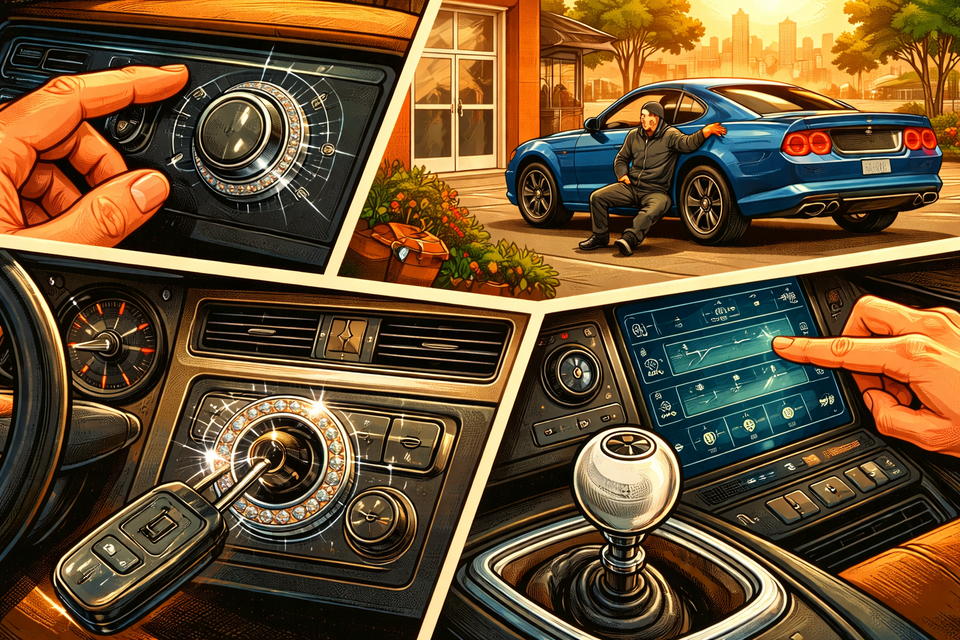
This episode has it all—from a Corolla that wouldn’t start after a little “bedazzling,” to why some drivers are begging for real knobs and buttons again. The crew also digs into practical shop-side realities like why batteries seem to die in collision repairs, how to keep vehicles safer with proper scanning and calibrations, and why a manual transmission can still be one of the best theft deterrents out there.

Listen or watch the embedded episode for the stories, the tech tips, and the real-world advice you can use before your next road trip, repair, or car purchase.

Questions and Answers

Answers based on this episode: ignition “bling” no-starts, buttons vs. touchscreens, battery care, theft deterrence, and ADAS safety.

How can adding “bling” around the ignition cause an intermittent crank/no-start?

Many late-model vehicles use an immobilizer or proximity key signal. Metallic or decorative rings and “bedazzled” trim near the ignition can interfere with that signal, so the car may crank but not start until the obstruction is removed.

Why are some automakers reconsidering touchscreens and bringing back physical buttons?

Touchscreens can be cheaper to build and look modern, but common tasks like volume, temperature, and fan speed can take your eyes off the road longer. Some brands are moving key functions back to knobs or buttons because they’re faster to use by feel.

Why do car batteries seem to die more often during collision repairs?

Cars sit with doors open, modules awake, lights on, and technicians cycling windows and electronics—so parasitic draw adds up fast. If a battery is already marginal, a few low-voltage days can finish it off and it may not recover even after charging.

Battery maintainer vs. battery charger: what’s the difference for a car that’s sitting?

A charger pushes a set amount of current and can undercharge, overcharge, or stop and leave the battery to drain again. A maintainer feeds only what the battery needs over time (more like a phone charger), helping prevent low-voltage damage while the vehicle is parked.

Will an AGM battery help with corrosion and short trips or long sit-times?

Often, yes. AGM batteries handle heat, vibration, and sitting better than flooded batteries, and they typically vent less—so you’ll usually see less terminal corrosion. If your vehicle came with an AGM from the factory, it’s smart to replace it with AGM again.

How did a manual transmission prevent a 2021 Mustang from being stolen?

Because the thief couldn’t drive it. Far fewer drivers can operate a manual, so even if the car is running, they may not be able to get it moving without stalling or giving up.

What should I ask for after a collision repair to make sure ADAS safety systems are restored?

Ask for proof of a pre-scan and post-scan, plus documentation of any required calibrations (camera, radar, 360, etc.). Also ask what trouble codes were present and how they were resolved—clearing codes isn’t the same as restoring proper operation.

Can emergency vehicle flashing lights confuse lane-keeping or driver-assist cameras?

Yes. Flashing lights—especially at night—can create confusing inputs for camera-based systems and affect detection or lane guidance. Treat driver-assist as assist only: slow down, stay alert, and be ready to take full control immediately.

How can I stay safe around a rolling car and power windows while trying to stop it?

Always secure the vehicle first: put it in Park (or in gear), apply the parking brake, and keep your body out of windows and pinch points. Reaching through a window while the car is moving can lead to accidental switch activation and serious injury.

Before buying a used car, what’s the best way to avoid expensive surprises?

Get a pre-purchase inspection and review the service history if it’s available. The goal isn’t just to find deal-breakers—it’s to learn what’s due next (fluids, brakes, tires, timing components) so you’re not surprised a few months after you buy it.

Podcast Available On: