Lost in the 50s Car Show: Used Car Advice, Truck Scale Rules & Real-World Auto Talk
Watch Now
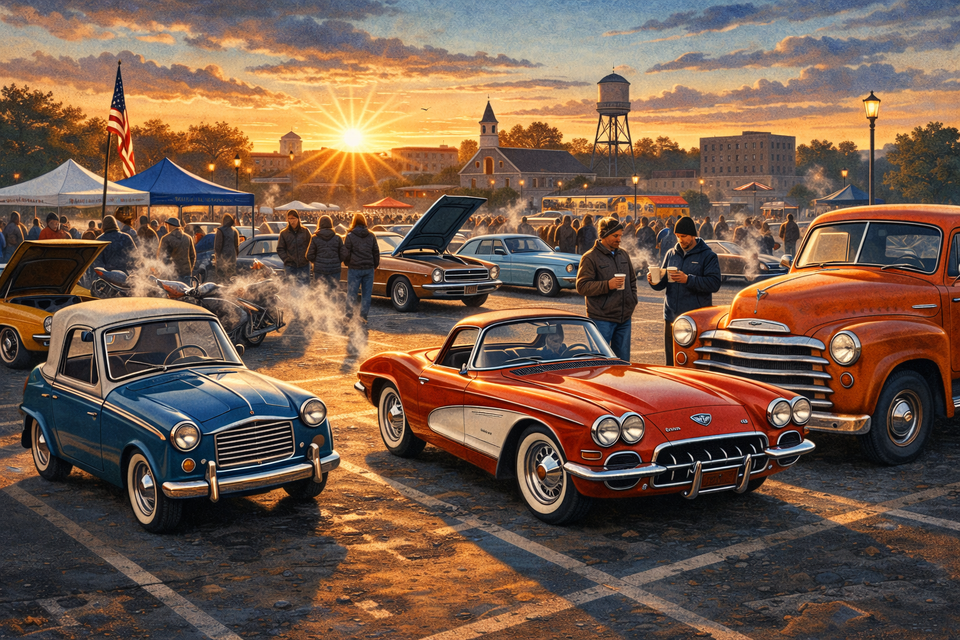
Broadcasting live from the Lost in the 50s Car Show in Grovetown, Georgia, this episode of the C&C Auto Show blends classic cars with real-world automotive advice. From a rare 1953 King Midget to a stunning 1962 Corvette, the event showcased automotive history—but the conversation covered issues every modern driver faces.
The crew tackled what happens if a truck is overweight at a DOT weigh station, whether you can bypass the scales, and how roadside inspections really work. They discussed insurance reform in Florida, rising deductibles, and why smart consumers need to understand their policies. Practical advice covered transmission fluid exchanges vs. simple drain-and-fill services, what to check before buying a used car, EVAP check engine codes, cooling system air bleeding, and why worn tires can defeat even the most advanced safety systems. Watch or listen to the full episode below.
Broadcasting live from the Lost in the 50s Car Show in Grovetown, Georgia, this episode of the C&C Auto Show blends classic cars with real-world automotive advice. From a rare 1953 King Midget to a stunning 1962 Corvette, the event showcased automotive history—but the conversation covered issues every modern driver faces.
The crew tackled what happens if a truck is overweight at a DOT weigh station, whether you can bypass the scales, and how roadside inspections really work. They discussed insurance reform in Florida, rising deductibles, and why smart consumers need to understand their policies. Practical advice covered transmission fluid exchanges vs. simple drain-and-fill services, what to check before buying a used car, EVAP check engine codes, cooling system air bleeding, and why worn tires can defeat even the most advanced safety systems. Watch or listen to the full episode below.