Keep Your Vehicle on the Road Longer: Coolant Leaks, Transmission Service, Batteries, and Brakes
Watch Now
In this episode of the C&C Auto Show, Aaron Clemus and Jamie Bridges tackle real-world maintenance questions that can make the difference between a dependable ride and an expensive surprise. The conversation covers high-mileage coolant loss and “extra vapor” from the tailpipe, when a product like K-Seal may be worth trying, and why following directions matters.
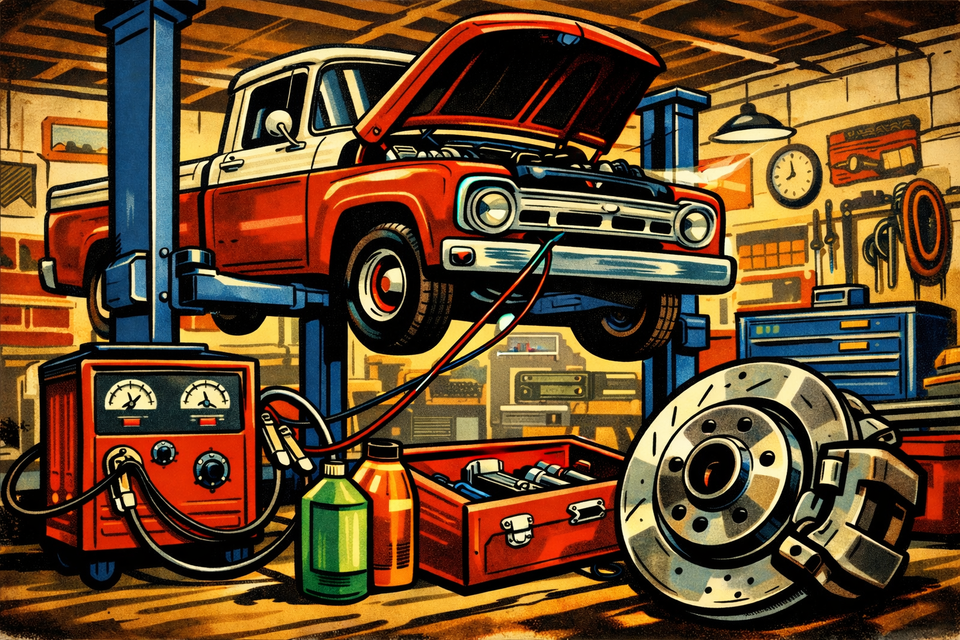
They also break down why transmission fluid exchanges are still a smart preventive move on many vehicles, how heat destroys fluid over time, and why modern brake rotors are often “replace, not resurface.” Plus: battery maintainers for vehicles that sit, DIY brake-clean tips, and a practical take on headlight upgrades.
Listen or watch the embedded episode to hear the full calls, the shop-tested advice, and the stories behind the tech tips.
In this episode of the C&C Auto Show, Aaron Clemus and Jamie Bridges tackle real-world maintenance questions that can make the difference between a dependable ride and an expensive surprise. The conversation covers high-mileage coolant loss and “extra vapor” from the tailpipe, when a product like K-Seal may be worth trying, and why following directions matters.
They also break down why transmission fluid exchanges are still a smart preventive move on many vehicles, how heat destroys fluid over time, and why modern brake rotors are often “replace, not resurface.” Plus: battery maintainers for vehicles that sit, DIY brake-clean tips, and a practical take on headlight upgrades.
Listen or watch the embedded episode to hear the full calls, the shop-tested advice, and the stories behind the tech tips.