Fuel Prices, EV Reality, and Smarter Car Ownership on the C&C Auto Show
Watch Now
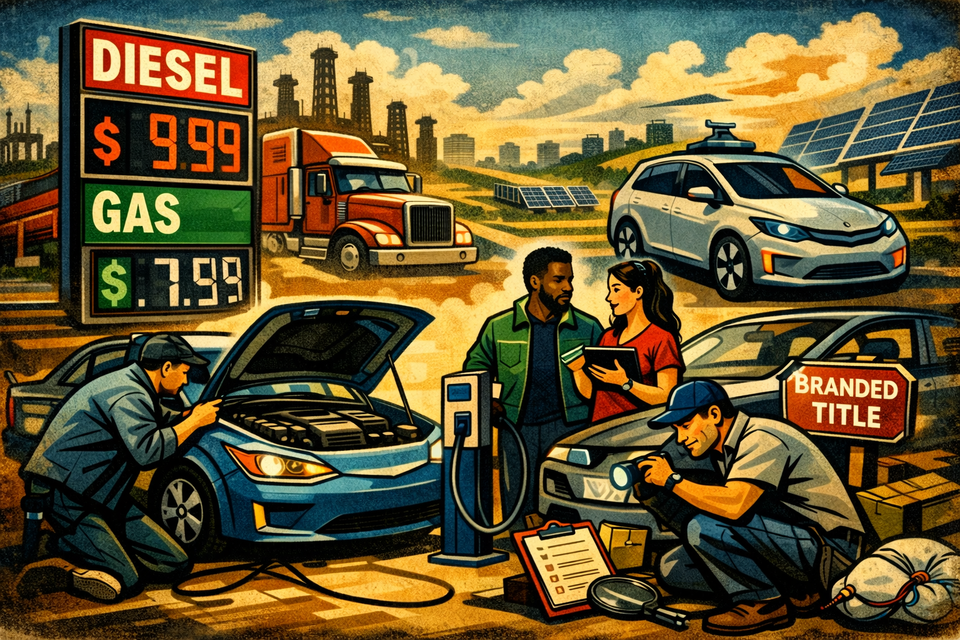
This episode of the C&C Auto Show covers the real-world issues drivers are dealing with right now, from rising diesel prices and EV depreciation to battery problems, used-car risk, and the growing role of self-driving technology. The conversation stays grounded in what matters most to everyday motorists: keeping repair costs under control, avoiding bad buying decisions, and understanding how fast-changing automotive trends can affect your wallet.
The show also digs into practical ownership advice, including why some vehicles burn oil, how auto start-stop systems can signal a weak battery, why aftermarket LED lighting can create problems with ADAS features, and why pre-purchase inspections still matter more than a clean-looking vehicle history report. It is a wide-ranging episode built around consumer choice, careful research, and making informed decisions before you buy, repair, or modify a vehicle.
Listen to or watch the full episode to hear the complete discussion, expert opinions, and caller questions that bring these automotive topics to life.
This episode of the C&C Auto Show covers the real-world issues drivers are dealing with right now, from rising diesel prices and EV depreciation to battery problems, used-car risk, and the growing role of self-driving technology. The conversation stays grounded in what matters most to everyday motorists: keeping repair costs under control, avoiding bad buying decisions, and understanding how fast-changing automotive trends can affect your wallet.
The show also digs into practical ownership advice, including why some vehicles burn oil, how auto start-stop systems can signal a weak battery, why aftermarket LED lighting can create problems with ADAS features, and why pre-purchase inspections still matter more than a clean-looking vehicle history report. It is a wide-ranging episode built around consumer choice, careful research, and making informed decisions before you buy, repair, or modify a vehicle.
Listen to or watch the full episode to hear the complete discussion, expert opinions, and caller questions that bring these automotive topics to life.